Giza Pyramids Tour: Great Pyramid, Sphinx & Camel Ride in Cairo
- Date : September 28, 2026
- Time : 5 Min Read
- Articles
- Giza Pyramids Tour: Great Pyramid, Sphinx & Camel Ride in Cairo
Categories
Giza Pyramids Tour: Walk Through More Than 4,500 Years of Egyptian History
Few places on Earth can make you feel as close to the ancient world as the Giza Plateau in Cairo.
Standing in front of the Great Pyramid, looking across the desert toward the pyramids of Khafre and Menkaure, and then seeing the Great Sphinx nearby is not simply another sightseeing experience. You are standing inside one of the world's most important archaeological landscapes, a place that has fascinated travelers for thousands of years.
This Giza Pyramids tour is designed for travelers who want more than a quick photograph of the pyramids. During the experience, you will explore the three main pyramids of Giza, enter the Great Pyramid of Khufu, visit a panoramic viewpoint, enjoy a one-hour camel ride with the pyramids as your backdrop, discover the Great Sphinx and Valley Temple, and finish your day with lunch overlooking the ancient monuments.
It is a complete combination of ancient Egyptian history, sightseeing, desert adventure, photography, and local experiences in one Cairo day tour.
Begin Your Giza Pyramids Adventure
Your experience begins with transportation from your hotel to the Giza Plateau.
As you approach the pyramids, the landscape begins to change. Cairo's modern streets gradually give way to the enormous monuments that have dominated this part of Egypt for more than four and a half millennia.
The Giza Plateau is much larger than the three famous pyramids alone. The archaeological site contains pyramid complexes, smaller pyramids, tombs, temples, causeways, boat remains, and other monuments connected with the royal burials of the Fourth Dynasty.
The three great pyramids belong to King Khufu, King Khafre, and King Menkaure, members of the Fourth Dynasty of ancient Egypt.
The Great Pyramid of Khufu — The Last Surviving Wonder
Your first major experience is the Great Pyramid of Giza, built as the tomb of King Khufu, who ruled approximately 2589–2566 BC.
Known in ancient Greek tradition as Cheops, Khufu was responsible for the largest and most ambitious pyramid complex at Giza.
The Great Pyramid originally stood approximately 146.5 meters high and remained the tallest human-made structure in the world for around 3,800 years. It is also the only surviving monument of the Seven Wonders of the Ancient World.
Enter Inside the Great Pyramid
One of the highlights of this Cairo tour is the opportunity to enter the Great Pyramid of Khufu.
Walking inside the pyramid gives you a completely different understanding of its scale and engineering.
Inside are three known chambers, including the subterranean chamber and two chambers positioned higher within the pyramid. The upper chamber is known as the King's Chamber, where the granite sarcophagus associated with Khufu can still be seen. The chamber is reached through the spectacular Grand Gallery, an ascending passage that remains one of the most remarkable achievements of ancient Egyptian architecture.
The exact method used to construct the Great Pyramid remains a subject of archaeological study, and there is still no universally confirmed explanation for every stage of its construction. What is certain is the extraordinary scale of the project and the engineering required to create it more than 4,500 years ago.
The Pyramid of Khafre
After exploring the Great Pyramid, continue to the Pyramid of Khafre, the second-largest pyramid at Giza.
Khafre, the son of Khufu, ruled approximately 2558–2532 BC. His pyramid originally reached about 143.5 meters in height. Although it is slightly shorter than the Great Pyramid, it appears taller from many viewpoints because it was constructed on higher ground.
One of the most fascinating features of Khafre's pyramid is the remaining section of its original polished limestone casing near the summit.
The limestone used for this outer casing was transported from the quarries of Tura, south of modern Cairo, by boat.
Khafre's pyramid complex also contains some of the most important surviving Old Kingdom temples, leading toward the Great Sphinx and Valley Temple.
The Pyramid of Menkaure
The final major pyramid on the Giza Plateau is the Pyramid of Menkaure.
Menkaure ruled approximately 2532–2503 BC and was the son of Khafre and grandson of Khufu. His pyramid is considerably smaller than the other two, with an original height of approximately 65 meters.
Its smaller size does not make it less fascinating.
Menkaure used granite from Aswan, more than 800 kilometers south of Giza, for part of the pyramid's casing. The lower section of the pyramid was intended to feature granite while limestone was used higher up.
Three smaller pyramids stand beside Menkaure's pyramid and are associated with royal burials.
Together, the three main pyramids represent three generations of Egypt's Fourth Dynasty: Khufu, his son Khafre, and his grandson Menkaure.
The Panoramic View of the Giza Pyramids
After exploring the main pyramid area, continue to one of the panoramic viewpoints of the Giza Plateau.
This is where the scale of the pyramid complex becomes especially clear.
From a higher vantage point, you can see the three major pyramids arranged across the desert landscape and capture wide photographs showing the relationship between the monuments and the surrounding area.
For many international travelers, the panoramic viewpoint becomes one of the favorite photography stops of the day.
It is the perfect place to pause, take photographs, appreciate the desert landscape, and see the pyramids from a perspective that is difficult to appreciate when standing directly beside them.
One-Hour Camel Ride in Front of the Pyramids
After exploring the ancient monuments, it is time for a different kind of Egyptian experience: a one-hour camel ride beside the Giza Pyramids.
Camel riding has long been associated with exploring the desert around Giza, and the official Experience Egypt tourism website specifically highlights camel riding around the Giza Plateau as a way to reach different viewpoints and photograph the pyramids from the desert.
During the ride, you can enjoy the open desert landscape while the pyramids rise dramatically behind you.
This is also a popular opportunity for travel photography, particularly for visitors who want a classic Egypt photograph featuring a camel, desert scenery, and the ancient pyramids.
Whether you are traveling as a couple, with family, or with friends, the camel ride adds a relaxed outdoor experience to a day otherwise focused on ancient history.
The Great Sphinx of Giza
After the camel experience, continue toward one of the most recognizable monuments in Egypt: the Great Sphinx of Giza.
The Great Sphinx is a colossal limestone monument carved directly from the natural bedrock of the Giza Plateau during the Fourth Dynasty, approximately 2613–2494 BC. Archaeological evidence points to its construction during the reign of King Khafre, around 2558–2532 BC.
The monument combines the body of a lion with the head of a king, an artistic representation associated with royal power in ancient Egypt.
The Sphinx measures approximately 73 meters in length and has watched over the Giza landscape for thousands of years.
Its exact history has fascinated generations of archaeologists, historians, travelers, and explorers.
Discover the Valley Temple of Khafre
Close to the Great Sphinx is Khafre's Valley Temple, an important part of the king's pyramid complex.
The Valley Temple was connected to Khafre's pyramid complex by a causeway leading toward the mortuary temple and pyramid. The temple was constructed from massive limestone blocks, with granite facing and alabaster flooring, and it remains one of the best-preserved examples of Old Kingdom temple architecture.
The temple formed part of the funerary complex associated with the king.
Rather than describing it simply as a "mummification temple," it is more accurate to explain it as a major component of the royal funerary complex, associated with the rituals and preparation connected with the king's burial and afterlife.
This is where the architecture becomes particularly interesting: enormous stone blocks, granite elements, carefully planned spaces, and a direct relationship with the Sphinx and pyramid complex.
Why the Giza Plateau Is So Important
The Giza Pyramids are not isolated monuments.
Each royal pyramid was part of a much larger complex that could include temples, causeways, smaller pyramids, tombs, boat burials, and other structures connected with the king's funerary cult.
The Giza Plateau therefore provides a rare opportunity to understand how ancient Egyptian royal architecture, religion, engineering, and landscape planning worked together.
This is why a complete Giza Pyramids tour can offer much more than simply seeing three large pyramids.
Lunch With a View of the Pyramids
After your archaeological exploration and camel ride, take a break and enjoy lunch at a restaurant with a view of the Giza Pyramids.
After several hours of walking, exploring, photography, and desert activities, sitting down for a meal while looking toward the ancient monuments creates a relaxing ending to the sightseeing portion of the day.
It is also a chance to take in the view one more time before leaving the Giza Plateau.
A Complete Cairo Day Tour for International Travelers
This experience is designed for travelers from around the world who want to combine several of Egypt's most famous experiences into one carefully organized day.
Instead of booking separate activities, the itinerary brings together:
-
The Great Pyramid of Khufu
-
Entrance inside the Great Pyramid
-
Pyramid of Khafre
-
Pyramid of Menkaure
-
Giza panoramic viewpoint
-
One-hour camel ride
-
Great Sphinx
-
Khafre's Valley Temple
-
Lunch overlooking the pyramids
-
Transportation back to your hotel
This combination makes the experience suitable for couples, families, friends, first-time visitors, and travelers interested in history, culture, photography, adventure, and Egyptian experiences.
Experience Ancient Egypt Beyond the Photographs
The Giza Pyramids are among the most photographed monuments on Earth, but seeing them through a complete experience changes the way you remember them.
You can stand inside the Great Pyramid, walk through an ancient royal complex, see the Great Sphinx at close range, discover Khafre's Valley Temple, climb onto a camel in the desert, and then sit down for lunch with the pyramids in the distance.
More than 4,500 years separate today's traveler from the builders of these monuments, yet the landscape remains remarkably powerful.
That is what makes a Giza Pyramids tour more than a simple sightseeing trip.
It is an opportunity to step into the history of ancient Egypt and experience one of the world's most extraordinary archaeological landscapes from several different perspectives.
Book Your Giza Pyramids Tour
From entering the Great Pyramid of Khufu to riding a camel across the desert with the pyramids behind you, this full-day Giza experience brings together the history, monuments, adventure, photography, and local atmosphere that travelers come to Egypt to discover.
Explore Khufu, Khafre, and Menkaure, enjoy the panoramic view of the Giza Plateau, visit the Great Sphinx and Valley Temple, experience a one-hour camel ride, enjoy lunch overlooking the pyramids, and then return comfortably to your hotel.
If you are planning your Cairo itinerary and looking for a complete experience around the Giza Pyramids, this tour brings some of the most important landmarks and activities together in one memorable day.
Come for the pyramids. Leave with a deeper story of ancient Egypt.
Related Articles
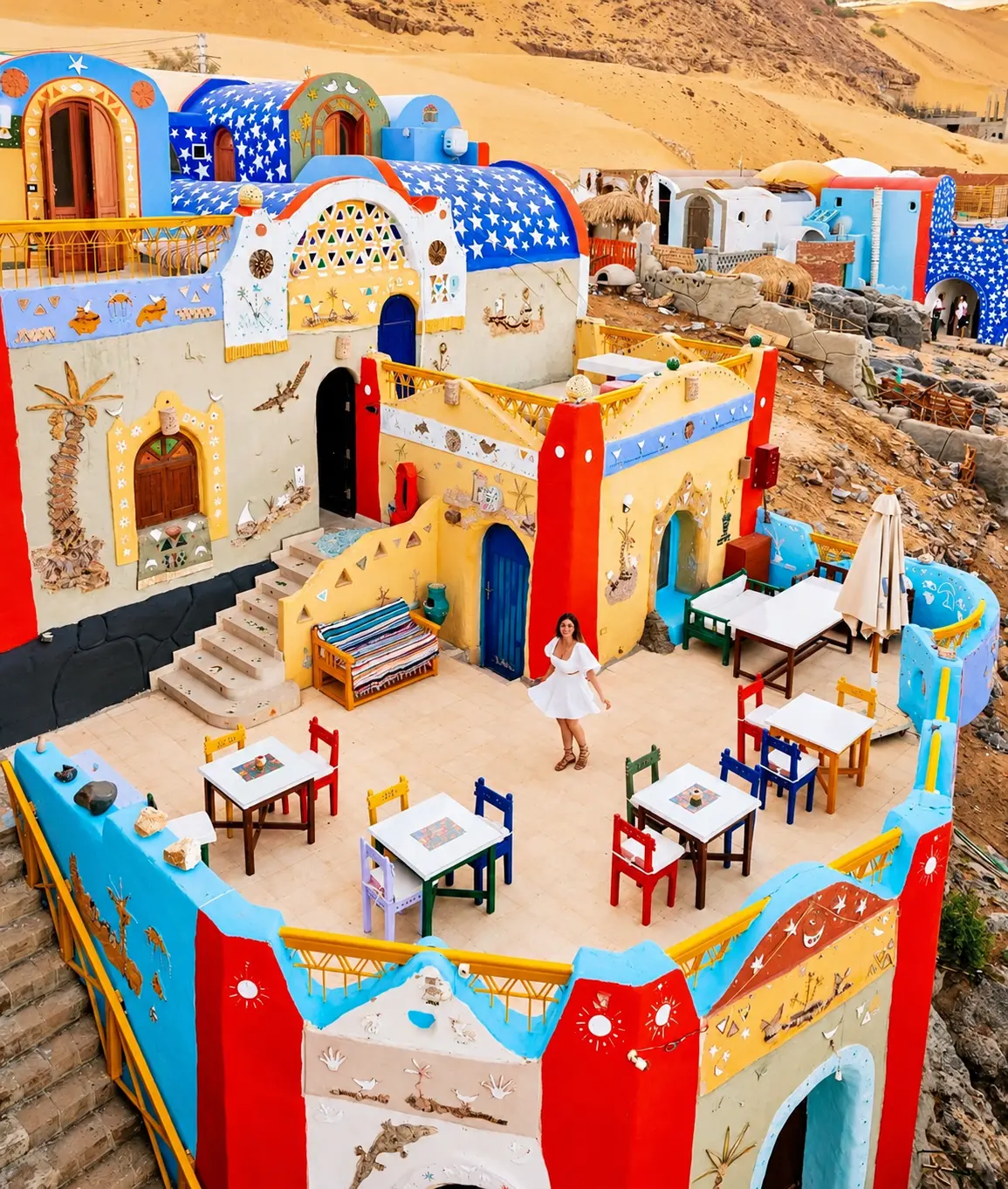
Aswan tours, things to do in Aswan, Aswan sightseeing, Philae Temple, High Dam, Nubian Village, Unfinished Obelisk, Nubian food, private Aswan tour.
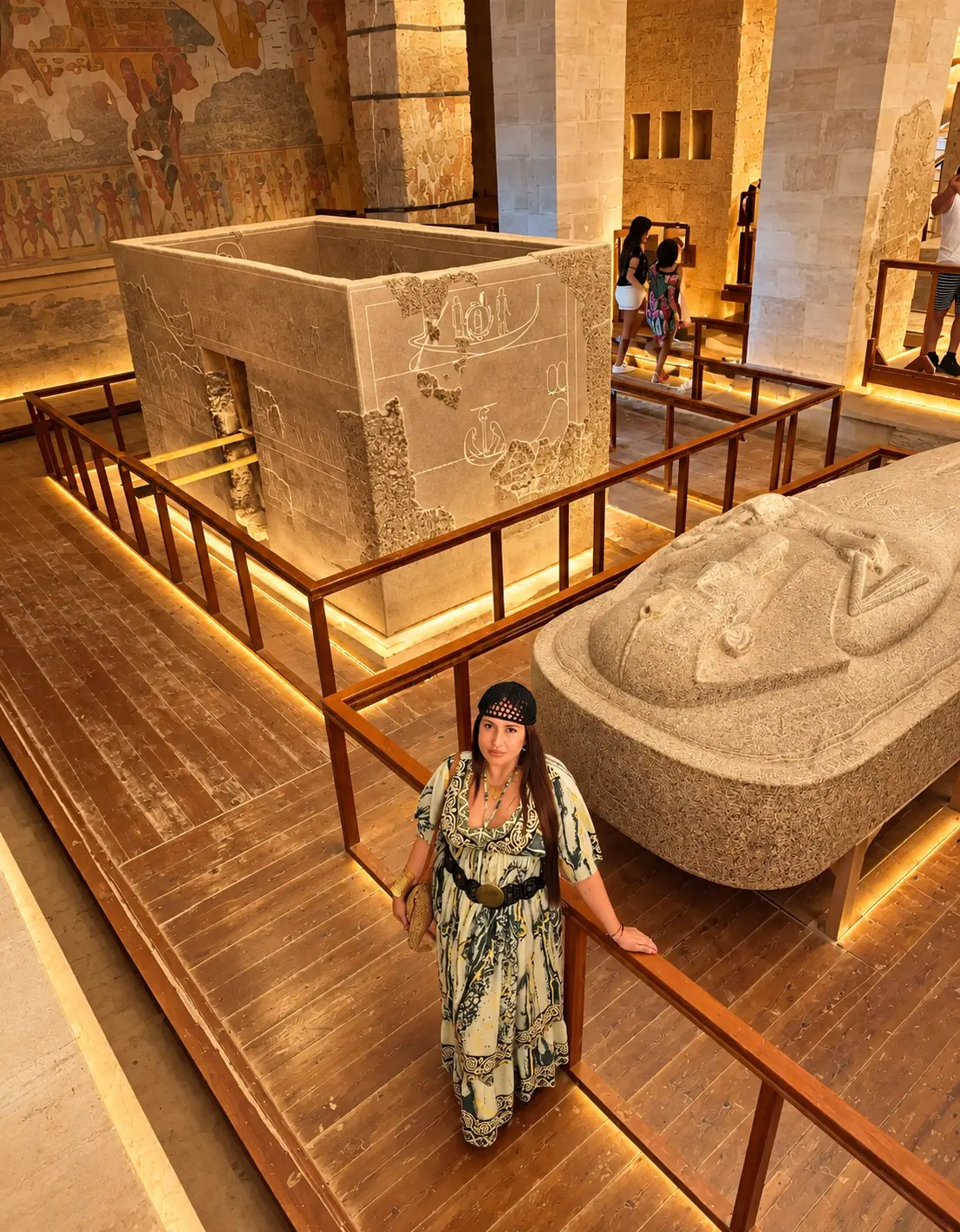
Explore the Valley of the Kings in Luxor on a private guided tour with hotel pickup and drop-off. Discover the tomb of Tutankhamun, ancient royal tombs, Egyptian mummies and spectacular underground burial chambers with a private Egyptologist guide. Enjoy complimentary bottled water and refreshments, then relax over a delicious mixed-grill lunch with Nile views before returning to your hotel.
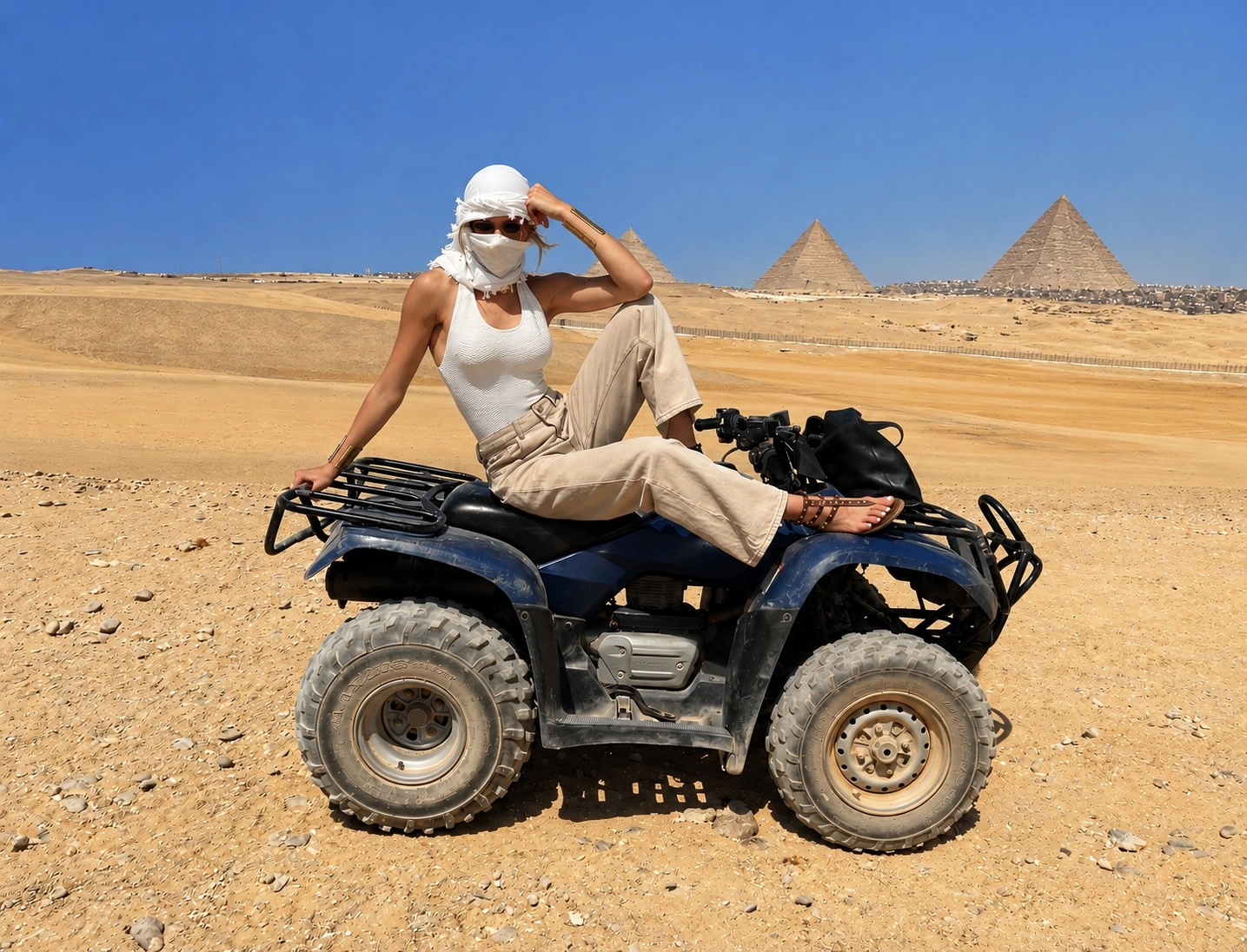
Looking for an exciting way to experience the Giza Pyramids? Enjoy a 1-hour quad bike ride through the desert with spectacular views of the pyramids and Great Sphinx. Hotel pickup and drop-off, Pepsi, and bottled water are included, making this Cairo adventure ideal for couples, families, friends, and first-time visitors to Egypt.