Valley of the Kings Tour: Tutankhamun Tomb & Luxor West Bank
- Date : September 28, 2026
- Time : 5 Min Read
- Articles
- Valley of the Kings Tour: Tutankhamun Tomb & Luxor West Bank
Categories
Valley of the Kings Tour: Enter the World of Ancient Egyptian Pharaohs
Imagine walking through the desert landscape of Luxor's West Bank and entering the underground tombs where some of ancient Egypt's most powerful pharaohs were buried more than 3,000 years ago.
This is the Valley of the Kings, one of the most extraordinary archaeological sites in Egypt and one of the essential experiences for anyone visiting Luxor.
Hidden among the mountains on the west bank of the Nile, the valley contains more than 60 known tombs and additional unfinished tombs. It became the principal royal burial ground during Egypt's New Kingdom, approximately 1550–1069 BC.
Our private Valley of the Kings tour in Luxor gives you the opportunity to explore this extraordinary ancient necropolis with a private guide and comfortable transportation, visit the famous Tomb of Tutankhamun, discover beautifully decorated royal burial chambers, and learn how ancient Egyptians understood death, the afterlife, and eternal life.
The experience also includes complimentary refreshments and a relaxing lunch overlooking the Nile before returning you to your hotel.
Start Your Valley of the Kings Tour With Free Hotel Pickup
Your experience begins directly from your hotel in Luxor, whether you are staying on the East Bank or West Bank of the Nile.
Our private vehicle will pick you up and take you comfortably across Luxor toward the ancient necropolis.
There is no need to arrange your own transportation or worry about finding the archaeological sites.
You will be accompanied by a private guide throughout the experience, giving you the opportunity to ask questions and learn about the history behind every important location you visit.
Why Is the Valley of the Kings So Important?
The Valley of the Kings was carefully selected by the rulers of ancient Egypt as a royal burial area.
During the New Kingdom, pharaohs moved away from the monumental pyramid tombs used by earlier kings and chose hidden rock-cut tombs in an isolated desert valley.
One important reason was security.
The enormous pyramids were highly visible and vulnerable to ancient tomb robbers. The hidden location of the Valley of the Kings offered a more discreet place for royal burials. The ancient Egyptians also associated the western bank of the Nile with the setting sun and the world of the dead and rebirth.
The valley is divided into the East Valley and West Valley, with the East Valley containing the majority of the famous royal tombs visited by travelers today.
Walk Through More Than 3,000 Years of Royal History
The history of the Valley of the Kings stretches across centuries of ancient Egyptian civilization.
The site was used primarily during the 18th, 19th, and 20th Dynasties, when Egypt was at the height of the New Kingdom.
Powerful rulers such as Thutmose III, Seti I, Ramesses II, Ramesses VI, and Tutankhamun were associated with tombs in this extraordinary necropolis.
The first New Kingdom ruler confirmed to have been buried in the Valley of the Kings was Thutmose I, who ruled around 1504–1492 BC.
As you walk through the valley, you are not simply visiting old underground rooms.
You are following the burial traditions of the kings who ruled one of the ancient world's most powerful civilizations.
Visit the Tomb of Tutankhamun
One of the biggest highlights of a Valley of the Kings tour is the opportunity to visit the famous Tomb of Tutankhamun, KV62.
Tutankhamun was an 18th Dynasty pharaoh who ruled approximately 1336–1327 BC.
Although Tutankhamun was a relatively young and short-reigning king, his name became one of the most famous in ancient Egyptian history because of the extraordinary discovery of his tomb.
The tomb was discovered in 1922 by British archaeologist Howard Carter and was found relatively intact compared with other royal tombs in the Valley of the Kings.
The discovery created worldwide excitement.
Thousands of objects were found inside, including furniture, jewelry, clothing, weapons, chariots, cosmetics, vessels, and other objects connected with royal life. The Egyptian Ministry of Tourism and Antiquities notes that approximately 5,000 artifacts were discovered inside the relatively small tomb.
See the Mummy of Tutankhamun
One of the remarkable aspects of visiting the tomb today is that Tutankhamun's mummy remains associated with the burial chamber inside KV62.
The tomb is relatively modest in size compared with some of the enormous royal tombs elsewhere in the Valley of the Kings, but its historical importance is extraordinary because of its discovery and the condition of the burial assemblage found there.
Standing inside the burial chamber gives visitors a direct connection to one of the most famous discoveries in the history of archaeology.
The walls of the burial chamber are decorated with scenes connected with Tutankhamun's funeral and his relationship with various Egyptian deities.
What Happened to Tutankhamun's Famous Golden Treasures?
When travelers hear the name Tutankhamun, many immediately think about the famous golden mask and the magnificent coffins discovered by Howard Carter.
These treasures were part of the extraordinary burial collection, but they are not all displayed inside the tomb today.
The Egyptian Ministry of Tourism and Antiquities records that the innermost gold coffin weighs approximately 110.4 kilograms and that the famous burial collection included multiple nested coffins and thousands of objects. Many of the most famous treasures are now preserved and displayed in museums rather than remaining inside KV62.
This makes the tomb itself particularly interesting: what you experience inside the Valley of the Kings is the actual royal burial place, while the extraordinary treasure collection discovered there became part of Egypt's wider museum heritage.
Discover the Ancient Egyptian Afterlife
The royal tombs of the Valley of the Kings were designed around the ancient Egyptian belief in the afterlife.
Their walls were decorated with religious texts, scenes, gods, rituals, and representations of the journey of the deceased king.
Many tombs contain texts such as the Amduat, Book of Gates, Book of Caverns, and other funerary compositions.
These were not simply decorative paintings.
They formed part of a religious system intended to help the deceased king navigate the afterlife and achieve eternal rebirth. The decoration of the royal tombs therefore gives visitors a fascinating insight into ancient Egyptian religion and beliefs about death and resurrection.
Discover More Royal Tombs
Tutankhamun's tomb is only one part of the Valley of the Kings.
Depending on the day's site access and the tickets selected, visitors can explore additional royal tombs with beautifully preserved paintings and inscriptions.
Each tomb has its own design, history, religious decoration, and connection to a particular ruler.
Some descend deep into the mountain, while others contain enormous corridors and richly decorated burial chambers.
For travelers interested in ancient Egypt, archaeology, history, photography, and Egyptian mythology, exploring these underground tombs can be one of the most memorable parts of a Luxor itinerary.
Luxor's West Bank: A World Heritage Landscape
The Valley of the Kings is part of the larger archaeological landscape of Ancient Thebes and its Necropolis.
Ancient Thebes was one of the most important cities of Egypt, and its monuments on both sides of the Nile reflect the extraordinary political, religious, and cultural importance of the city.
The area was added to the UNESCO World Heritage List in 1979 and includes major monuments such as the Valley of the Kings, Valley of the Queens, Karnak Temple, Luxor Temple, Hatshepsut's Temple, Medinet Habu, the Ramesseum, and the Colossi of Memnon.
This is why a visit to the Valley of the Kings is not simply a stop on a sightseeing itinerary.
You are exploring part of an enormous archaeological landscape that represents one of the greatest periods of ancient Egyptian civilization.
Travel With a Private Egyptologist Guide
Having a knowledgeable private guide can make a major difference when exploring the Valley of the Kings.
Instead of simply walking through the tombs and looking at colorful walls, you can learn what the scenes represent, why the tombs were constructed underground, how royal burial traditions changed, and what the ancient Egyptians believed would happen after death.
Your guide will accompany you throughout the experience and help you understand the history behind the monuments.
You can also ask questions throughout the tour and explore the site at a comfortable pace.
Private Transportation From Your Hotel
Your transportation is arranged as part of the experience.
We provide private hotel pickup and drop-off in Luxor, whether your accommodation is on the East Bank or West Bank.
You will travel in a private vehicle with your guide, making the experience comfortable and convenient from the moment you leave your hotel until you return.
This is particularly useful for international travelers who may be visiting Luxor for only a short time and want to make the most of their day.
Complimentary Water and Refreshments
Exploring the Valley of the Kings means spending time outdoors in the Luxor desert environment.
To make your journey more comfortable, bottled water and refreshments are provided free of charge for each guest.
You can stay hydrated throughout the experience while your guide takes care of the sightseeing and transportation arrangements.
Enjoy a Mixed-Grill Lunch With Nile Views
After exploring the ancient royal tombs, it's time to relax and enjoy lunch.
You will be taken to a restaurant with a view of the Nile, where you can enjoy a delicious mixed-grill lunch in a more relaxed setting.
After walking through the valley and exploring the tombs, sitting down for a meal overlooking the river creates a pleasant contrast between Luxor's ancient desert landscape and the life-giving Nile.
The Nile has been central to Egyptian civilization for thousands of years, and enjoying lunch beside the river gives you another perspective on why Luxor became such an important center of ancient Egypt.
A Complete Luxor Experience
This private experience is designed to combine the most important elements of a comfortable Luxor West Bank tour:
History. Archaeology. Ancient Egyptian mythology. Tutankhamun. Royal tombs. Private transportation. Professional guiding. Local food. Nile views.
You are not simply checking another attraction off your Egypt itinerary.
You are spending time inside one of the world's most important archaeological landscapes and learning the stories behind the people who built and used it.
Who Is This Valley of the Kings Tour For?
This experience is suitable for a wide range of international travelers.
It can be an excellent choice for:
-
Couples visiting Luxor
-
Families traveling with children
-
Friends and small groups
-
First-time visitors to Egypt
-
History enthusiasts
-
Archaeology lovers
-
Photography travelers
-
Travelers interested in ancient Egyptian civilization
-
Cruise passengers spending time in Luxor
-
Visitors staying on either side of the Nile
Whether you are planning a larger Egypt vacation package or simply looking for things to do in Luxor during a short stay, the Valley of the Kings is an experience that can fit naturally into your itinerary.
Book Your Valley of the Kings Tour in Luxor
Discover the royal tombs of ancient Egypt on a private Valley of the Kings tour from Luxor.
Enjoy complimentary pickup from your hotel on either the East or West Bank, travel in a private vehicle with your guide, explore the famous Tomb of Tutankhamun, discover ancient royal burial chambers, learn about Egyptian beliefs in the afterlife, and see the remarkable archaeological landscape of Luxor's West Bank.
After your historical adventure, relax with a delicious mixed-grill lunch overlooking the Nile, enjoy complimentary water and refreshments, and return comfortably to your hotel.
The Valley of the Kings is more than a collection of ancient tombs.
It is where the story of Egypt's New Kingdom was carved into stone, painted on underground walls, and preserved for the world to discover thousands of years later.
Related Articles
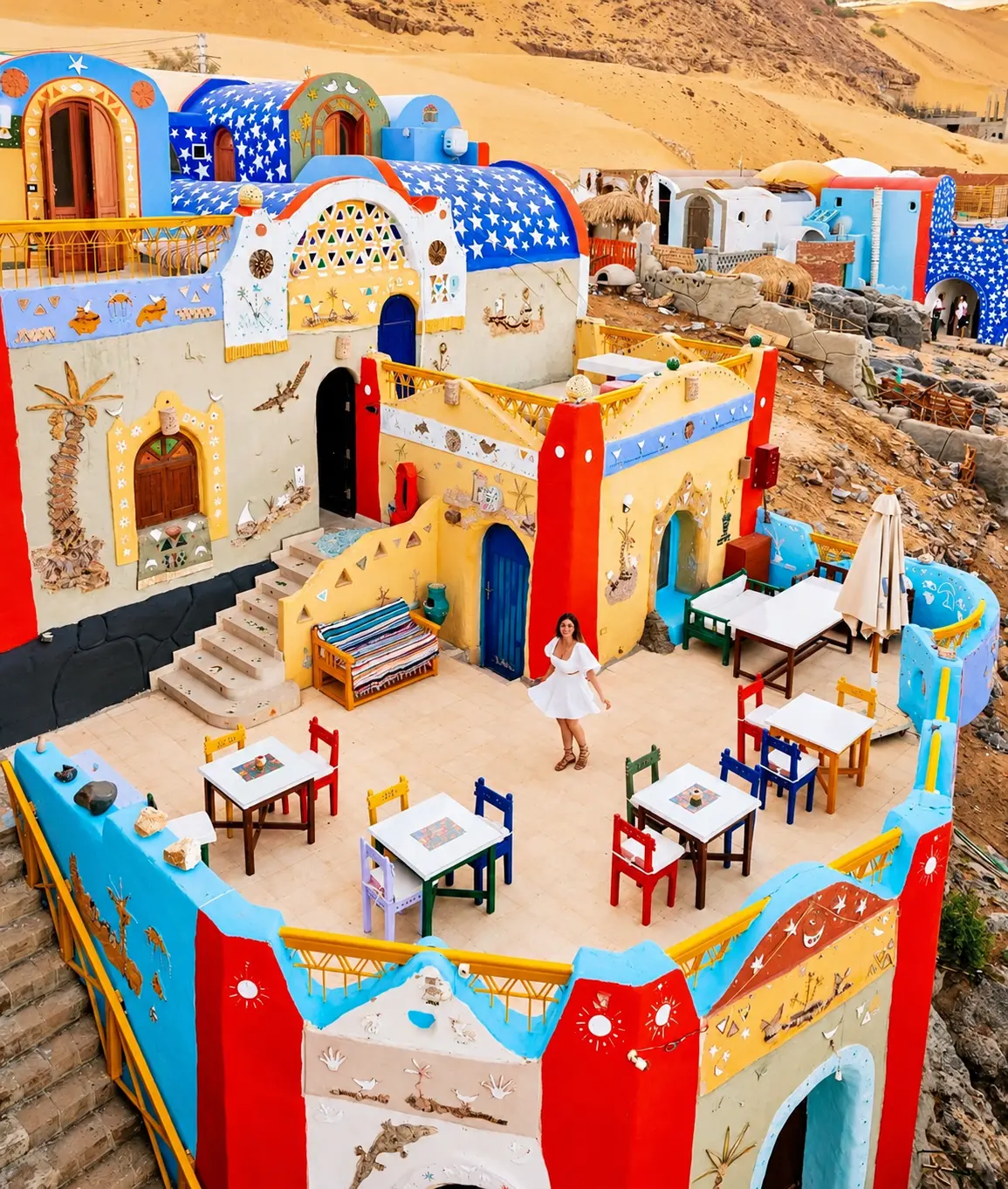
Aswan tours, things to do in Aswan, Aswan sightseeing, Philae Temple, High Dam, Nubian Village, Unfinished Obelisk, Nubian food, private Aswan tour.
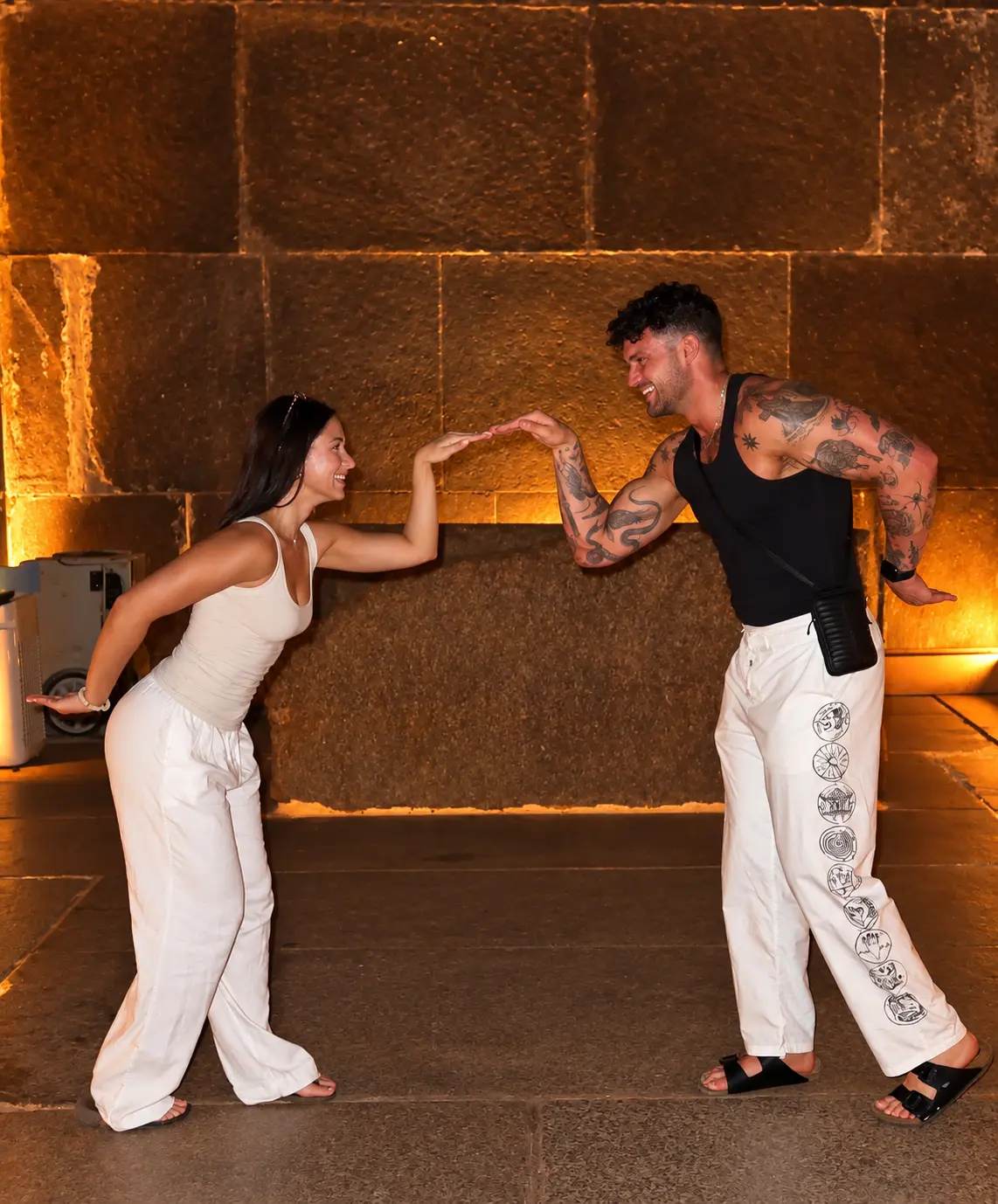
Discover the Giza Pyramids on a complete Cairo day tour covering the Great Pyramid of Khufu, the Pyramids of Khafre and Menkaure, the Great Sphinx, Khafre’s Valley Temple, a panoramic viewpoint, and a one-hour camel ride beside the pyramids. Explore the interior of the Great Pyramid, enjoy spectacular desert views, have lunch overlooking the pyramids, and return to your hotel after a full day of ancient Egyptian history and unforgettable experiences.
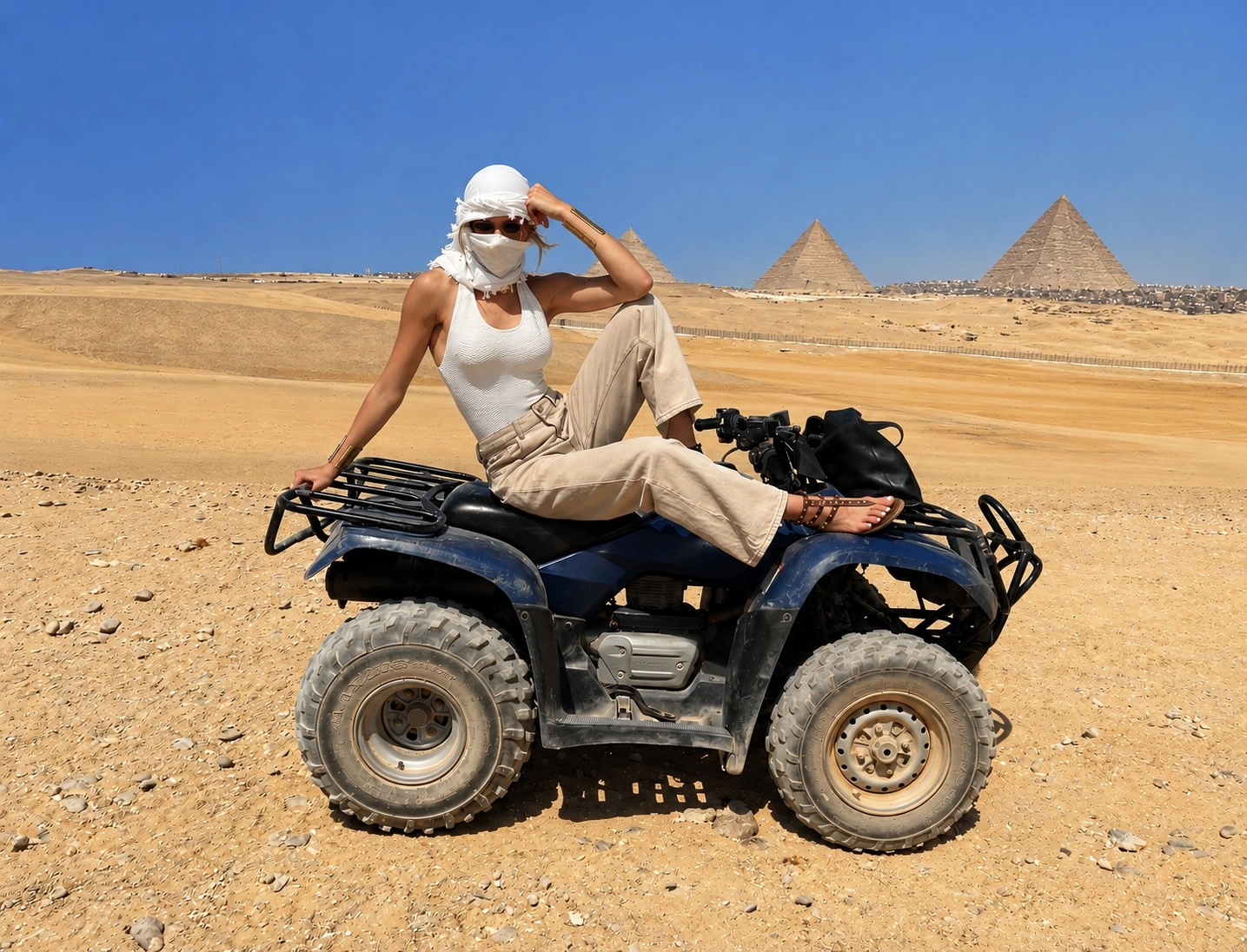
Looking for an exciting way to experience the Giza Pyramids? Enjoy a 1-hour quad bike ride through the desert with spectacular views of the pyramids and Great Sphinx. Hotel pickup and drop-off, Pepsi, and bottled water are included, making this Cairo adventure ideal for couples, families, friends, and first-time visitors to Egypt.